Mini Apps – The Future of Smart Digital Solutions
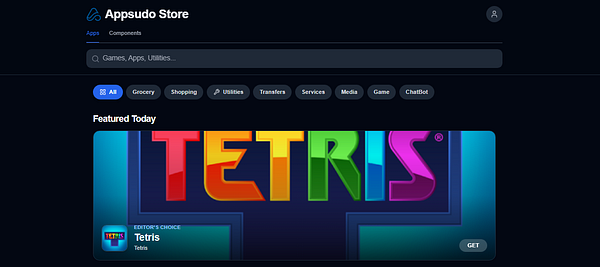
In today’s fast-moving digital world, businesses and developers are constantly searching for faster, smarter, and more flexible ways to create online experiences. Traditional application development often requires significant time, resources, and technical complexity. This is where mini apps are changing the game. These lightweight yet powerful applications are transforming how businesses interact with users while making development more efficient and cost-effective.
Platforms like Appsudo are helping businesses and developers embrace the future of app creation by offering innovative tools, scalable infrastructure, and a modern mini app development framework. With the growing demand for mobile-friendly digital services, mini apps are becoming an essential part of modern application ecosystems.
What Are Mini Apps?
Mini apps are lightweight applications that run inside larger platforms or ecosystems without requiring users to install full standalone apps from an app store. These apps provide fast access to services, tools, entertainment, shopping experiences, booking systems, and much more.
Unlike traditional mobile applications, mini apps are designed to be compact, responsive, and highly efficient. They can be launched instantly, which improves user experience and increases engagement. Businesses can deploy mini apps quickly while reducing development and maintenance costs.
Mini apps are becoming increasingly popular because they bridge the gap between websites and full mobile applications. They provide the speed and accessibility of web apps while offering functionality similar to native applications.
Why Businesses Are Choosing Mini Apps
The popularity of mini apps continues to rise because they provide several important benefits for companies and developers.
Faster User Access
Users no longer need to download heavy applications or go through lengthy installation processes. Mini apps open instantly, providing seamless access to services and features.
Lower Development Costs
Developing a full-scale application can be expensive and time-consuming. Mini apps reduce complexity while still delivering excellent functionality.
Better User Engagement
Because mini apps load quickly and work efficiently, users are more likely to interact with them regularly.
Cross-Platform Compatibility
Mini apps are designed to work across multiple devices and operating systems, making them highly accessible.
Easy Updates
Developers can update mini apps instantly without requiring users to manually install updates.
These advantages make mini apps a preferred choice for startups, enterprises, eCommerce brands, and digital service providers.
Build Applications with Modern Technology
The ability to build applications quickly and efficiently has become one of the most important goals for modern businesses. Companies need scalable solutions that support innovation while maintaining performance and security.
Modern development platforms provide developers with tools that simplify the app creation process. Features such as reusable components, cloud integration, automation systems, and scalable hosting environments help reduce development time significantly.
Businesses that build applications using mini app technologies can launch products faster, test new ideas more efficiently, and respond quickly to market changes.
This flexibility allows companies to stay competitive in industries where speed and digital innovation are critical.
The Growing Importance of an App Marketplace
An app marketplace plays a major role in the modern digital ecosystem. It serves as a central hub where users can discover, access, and interact with various applications.
For businesses, an app marketplace creates opportunities for visibility, user acquisition, and monetization. Developers can showcase their mini apps to a larger audience while users enjoy the convenience of accessing multiple services in one place.
Modern app marketplaces are evolving beyond simple app directories. They now offer integrated payment systems, user analytics, developer tools, subscription models, and advanced security features.
As the demand for digital services grows, app marketplaces are becoming increasingly important for businesses seeking to expand their online presence.
Understanding the Mini App Development Framework
A mini app development framework provides developers with the tools, libraries, APIs, and infrastructure needed to create efficient mini applications.
This framework simplifies development by offering standardized systems that improve compatibility, speed, and scalability.
Key Features of a Mini App Development Framework
Modular Architecture
Developers can build applications using reusable components, making development faster and easier.
API Integration
Mini app frameworks often support seamless integration with payment systems, user authentication, cloud services, and third-party tools.
Responsive Design
A strong framework ensures that mini apps work smoothly across mobile devices, tablets, and desktops.
Scalability
As user demand grows, mini app frameworks help businesses scale applications without major infrastructure changes.
Security Features
Modern frameworks include built-in security measures to protect user data and application performance.
Using a mini app development framework allows developers to focus on creativity and functionality rather than repetitive coding tasks.
Development Environment Setup for Mini Apps
One of the most important steps in application creation is the development environment setup. A properly configured environment helps developers work efficiently while reducing technical issues.
Setting up a development environment for mini apps usually involves installing development tools, configuring frameworks, integrating APIs, and preparing testing systems.
Essential Steps in Development Environment Setup
Install Required Software
Developers typically begin by installing code editors, runtime environments, package managers, and necessary SDKs.
Configure Framework Dependencies
The mini app development framework often requires specific libraries and dependencies to function correctly.
Set Up Testing Tools
Testing environments help developers identify bugs, optimize performance, and improve user experience.
Connect Cloud Services
Many mini apps rely on cloud databases, hosting systems, and API integrations.
Enable Version Control
Version control systems help teams collaborate effectively while tracking code changes.
A smooth development environment setup improves productivity and ensures that mini app projects can move from development to deployment efficiently.
The Future of Mini App Development
The future of mini apps looks extremely promising as businesses continue shifting toward lightweight and user-friendly digital solutions.
Several trends are expected to shape the next generation of mini app technologies.
AI Integration
Artificial intelligence will help mini apps deliver personalized user experiences, automation features, and advanced customer support.
Faster Cloud Infrastructure
Improved cloud technologies will make mini apps even more responsive and scalable.
Enhanced Security Systems
As digital threats evolve, mini app platforms will continue improving security frameworks to protect users and businesses.
eCommerce Expansion
Mini apps will become increasingly important for online shopping, payment systems, and customer engagement.
Cross-Platform Ecosystems
Businesses will focus more on creating interconnected digital ecosystems where mini apps work seamlessly together.
These innovations will continue driving the adoption of mini apps across industries worldwide.
Why Mini Apps Matter for Businesses Today
Businesses that adopt mini app technologies gain a competitive advantage by improving customer experience, reducing development costs, and increasing operational efficiency.
Mini apps allow companies to launch services quickly while maintaining flexibility and scalability. Whether used for eCommerce, customer service, entertainment, finance, education, or productivity tools, mini apps provide practical solutions for modern digital demands.
The ability to build applications rapidly while reaching users across multiple devices makes mini apps one of the most valuable innovations in the technology industry.
Conclusion
Mini apps are reshaping the future of digital interaction by providing lightweight, fast, and highly accessible solutions for users and businesses alike. With the support of a reliable mini app development framework, companies can create scalable applications that improve user engagement and simplify digital experiences.
From development environment setup to app marketplace integration, modern mini app ecosystems are designed to support innovation, flexibility, and long-term growth.
As businesses continue embracing digital transformation, mini apps will play an increasingly important role in shaping the next generation of online services and application development. Companies that invest in mini app technologies today are positioning themselves for a smarter and more connected digital future.


Comments
Post a Comment